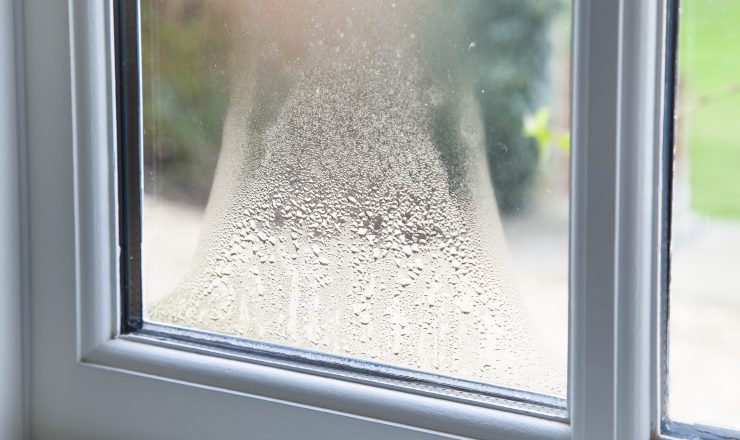
Understanding Seal Failure in Windows: Causes, Consequences, and Solutions
Windows are a vital part of any building structure, offering natural light and ventilation while enhancing visual appeal. Nevertheless, with extended direct exposure to environmental elements, windows can establish various problems, one of the most prevalent being seal failure. This post looks into the reasons for seal failure in windows, its effects, and efficient solutions to remedy the problem.
What is Seal Failure?
Seal failure in windows normally occurs when the insulating gas, such as argon or krypton, leaks out from between the double or triple-pane window units. This sealing failure results in condensation, decreased energy efficiency, and visual problems, lessening the efficiency and appearance of the window.
Common Signs of Seal Failure
Spotting seal failure in windows early can prevent further damage and more costly repairs. Here are some indications house owners must expect:
- Condensation in between panes: Moisture forming between the window panes shows a jeopardized seal.
- Frost or ice build-up: Visible frost or ice inside the window is another sign of a seal defect, especially in chillier weather.
- Visual distortion: Changes in clearness, such as a cloudy or wavy look, signal seal failure.
- Increased energy costs: A visible uptick in heating or cooling expenses may show the loss of energy performance due to seal failure.
Table 1: Common Signs of Seal Failure in Windows
| Sign of Seal Failure | Description | Suggested Action |
|---|---|---|
| Condensation between panes | Moisture trapped in between window panes | Seek advice from a window expert |
| Frost or ice build-up | Ice buildup on the interior of the window | Inspect the window seals |
| Visual distortion | Cloudy or fuzzy look of the glass | Consider replacement |
| Increased energy costs | Greater utility costs credited to energy loss | Perform an energy audit |
Reasons For Seal Failure
A number of elements can contribute to the failure of seals in windows, including:
- Poor setup: Incorrect setup practices can develop spaces that result in seal failure in time.
- Age: Like any other structure material, windows have a life-span. As Read Much more age, the materials can degrade, leading to seal deterioration.
- Temperature fluctuations: Extreme temperature changes can trigger expansion and contraction, causing stress on the seals and eventual failure.
- Moisture infiltration: Excessive humidity can cause mold and mildew, which can break down the stability of window seals.
- Production defects: Sometimes, malfunctioning window units or flawed materials can lead to premature seal failure.
Effects of Seal Failure
The ramifications of seal failure in windows can be comprehensive and destructive. Homeowners might experience:
- Reduced Energy Efficiency: Seal failure compromises a window's ability to insulate, leading to heat loss in winter season and increased air conditioning costs in summertime.
- Increased Maintenance Costs: As moisture and mildew accumulation take place, house owners might deal with additional expenses for cleansing or replacing windows and other impacted areas.
- Reduced Property Value: Windows with seal failure can detract from a home's general look and performance, possibly decreasing market worth when selling.
- Health Risks: Mold development from moisture intrusion can present health threats to homeowners, particularly those with respiratory problems.
Preventive Measures
Taking preventive procedures can considerably lower the threat of seal failure in windows. Here are some effective strategies:
- Regular Inspection: Homeowners need to often inspect windows for indications of seal failure and resolve any concerns quickly.
- Proper Installation: Ensuring that windows are installed by certified specialists can decrease the threat of seal failure.
- Environmental Control: Using dehumidifiers in humid climates can secure windows from moisture damage.
- Regular Cleaning: Keeping windows tidy can help recognize early indications of possible failure, enabling house owners to address them faster.
Table 2: Preventive Measures for Seal Failure
| Preventive Measure | Description |
|---|---|
| Routine Inspection | Inspect windows periodically for signs of moisture or distortion |
| Correct Installation | Employ professionals for window setup |
| Environmental Control | Use dehumidifiers in high-humidity areas |
| Regular Cleaning | Preserve cleanliness of windows to catch concerns early |
Solutions for Seal Failure
When seal failure occurs, property owners have several choices for dealing with the issue:
- Repair: In some cases, specialized services can repair the failed seal and bring back functionality to the window.
- Replacement of Window Panes: If repair is not feasible, changing the damaged window panes may be essential.
- Full Window Replacement: For windows experiencing extensive failure or degeneration, total replacement may be the best long-lasting solution.
- Think About Energy-Efficient Windows: When replacing old windows, think about investing in energy-efficient designs that come with improved seals and insulation residential or commercial properties.
Frequently Asked Questions about Seal Failure in Windows
Q: How long do window seals generally last?A: Window seals can last anywhere from 10 to 20 years, depending on the quality of the windows and local climate conditions. Q: Can I prevent seal failure?A: Yes, by conducting routine inspections, making sure proper setup,
and controlling indoor humidity levels, property owners can minimize the threat of seal failure. Q: What must I do if I observe condensation between my window panes?A: It's advisable to get in touch with a
window professional to evaluate the scenario and figure out whether repair or replacement is
necessary. Q: Are all windows susceptible to seal failure?A: While all types of windows can experience seal failure, double and triple-pane windows are more commonly impacted due to their sealed designs. Comprehending seal failure in windows, including its causes, effects, and preventive procedures, gears up property owners to make educated decisions about
preserving their windows. Taking proactive steps to address and manage seal failure can improve energy efficiency, secure property worth, and add to a healthier living environment. By remaining watchful and acting immediately, property owners can preserve the integrity and performance of their windows for years to come.